MVA Rehabilitation in Brampton: 7 Myths You Should Stop Believing

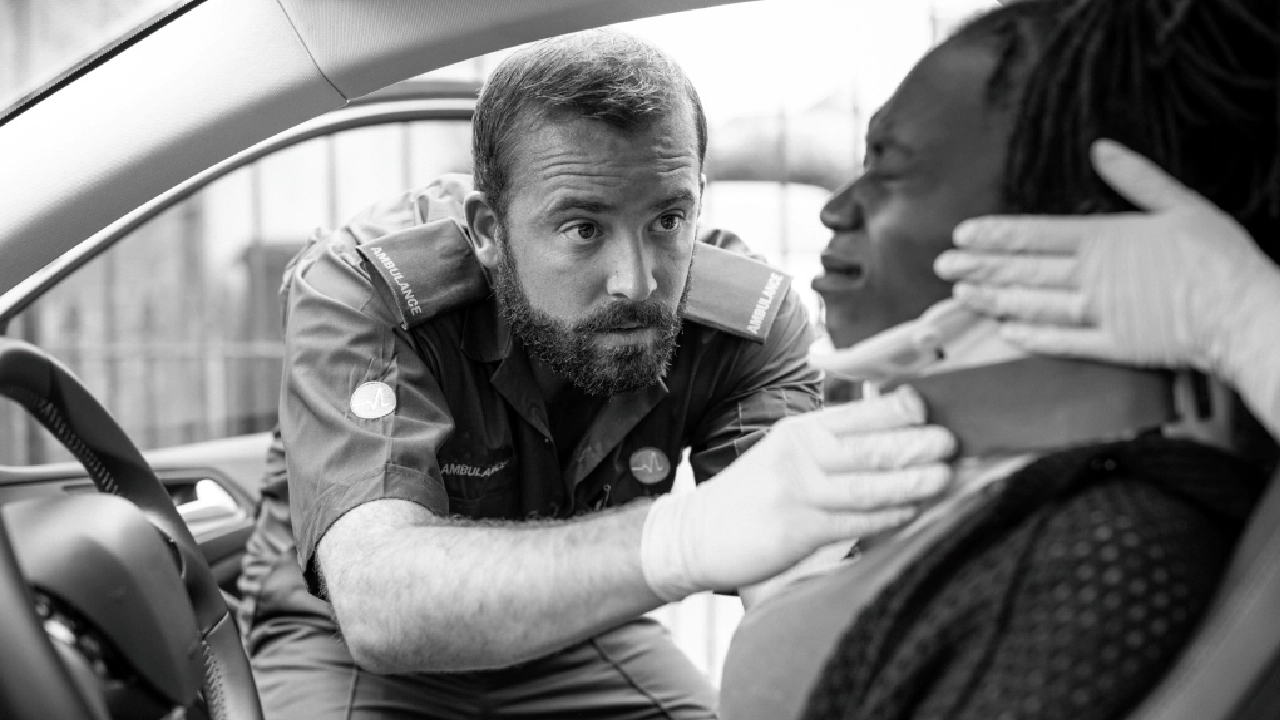
MVA Rehabilitation in Brampton: 7 Myths You Should Stop Believing
Life After a Motor Vehicle Accident
A motor vehicle accident can change everyday life in a matter of seconds. Even a minor collision may leave someone dealing with neck stiffness, back discomfort, headaches, reduced movement, or difficulty returning to normal activities. While some symptoms appear immediately, others may develop over the following days.
For people dealing with accident-related injuries, knowing what to do next can make the process less confusing. Rehabilitation can play an important role in addressing physical difficulties, rebuilding movement, and supporting a gradual return to daily routines.
However, there are many misconceptions about accident-related rehabilitation. Some people assume that treatment is only necessary after a serious collision, while others believe that symptoms will disappear without attention. These assumptions can create unnecessary delays and uncertainty.
At Global Rehab & Wellness Inc., people in Brampton can learn about rehabilitation services and discuss care options following a motor vehicle accident. This article examines seven common myths surrounding MVA rehabilitation in Brampton and explains the facts behind them.
Why Do Myths About Motor Vehicle Accident Rehabilitation Matter?
After a collision, people may receive advice from friends, family members, colleagues, or online discussions. Although some advice may be useful, not every statement applies to every injury.
Following inaccurate information can lead someone to ignore symptoms, postpone an assessment, or return to physically demanding activities before they are ready.
MVA Rehabilitation in Brampton involves addressing accident-related physical concerns through appropriate assessment and care. The process depends on the person’s symptoms, medical history, functional abilities, and clinical recommendations.
Knowing what is fact and what is fiction helps people make informed decisions about their next steps.
Myth 1: Rehabilitation Is Only Necessary After a Serious Accident
The Fact: Minor Collisions Can Also Cause Injuries
One common misconception is that rehabilitation is necessary only after a major crash involving significant vehicle damage. In reality, the severity of visible vehicle damage does not always indicate the extent of physical injury.
Even a low-speed collision can place sudden forces on the neck, shoulders, back, and other parts of the body. The effects may include muscle soreness, restricted movement, headaches, or discomfort during everyday tasks.
For example, someone involved in a rear-end collision might initially feel normal but notice neck stiffness the following morning. Another person may experience back discomfort when sitting for extended periods.
MVA Rehabilitation in Brampton may be worth discussing when accident-related symptoms interfere with movement, work, sleep, or household activities.
The important point is not how damaged the vehicle appears. It is how the person’s body responds to the collision. Anyone experiencing concerning symptoms should seek an appropriate medical assessment.
Myth 2: You Must Feel Pain Immediately After an Accident
The Fact: Some Symptoms Develop Later
Not every injury produces immediate symptoms. Adrenaline, stress, and the excitement surrounding an accident can sometimes make discomfort less noticeable initially.
A person might leave the accident scene feeling relatively comfortable, only to develop stiffness, headaches, or muscle soreness hours or days later.
Delayed symptoms do not automatically indicate a serious injury, but they should not be dismissed. Paying attention to changes in movement, sensation, sleep, and daily functioning can help identify concerns.
For instance, difficulty turning the head while driving or discomfort when lifting groceries may indicate that an assessment is worth considering.
MVA Rehabilitation in Brampton can involve an assessment of symptoms that appear after the initial collision. A healthcare professional can discuss whether rehabilitation is appropriate and whether further medical investigation is necessary.
Sudden severe headaches, weakness, confusion, chest pain, breathing difficulties, or other alarming symptoms require urgent medical attention rather than waiting for a rehabilitation appointment.
Myth 3: Resting Completely Is the Only Way to Recover
The Fact: Prolonged Inactivity May Create Additional Challenges
Rest is sometimes necessary following an injury, particularly when symptoms are intense or a healthcare professional recommends limiting certain activities.
However, complete inactivity for an extended period is not automatically appropriate for every accident-related injury.
Long periods without movement may contribute to stiffness, reduced muscle conditioning, and difficulty performing ordinary tasks. Depending on the injury, gradual movement may form part of a rehabilitation plan.
A person recovering from a collision might begin with gentle walking, simple mobility activities, or other movements recommended by a qualified professional.
The type, intensity, and timing of activity should depend on the individual’s condition. Exercises that are appropriate for one person may not be suitable for another.
MVA Rehabilitation in Brampton can include movement-based activities when clinically appropriate. The aim is to address functional limitations while respecting the body’s current capacity.
People should avoid pushing through significant or worsening symptoms. They should also follow medical restrictions, especially when fractures, neurological symptoms, or other serious injuries are involved.
Myth 4: Rehabilitation Means Doing the Same Exercises Every Day
The Fact: Care Should Reflect Individual Needs
Another common belief is that rehabilitation follows one fixed routine. Some people imagine that every accident victim receives identical exercises regardless of their symptoms or physical condition.
In practice, different injuries can affect people in various ways. A person with neck stiffness may have different needs from someone experiencing lower back discomfort or shoulder movement limitations.
An appropriate rehabilitation plan may involve several components, depending on the assessment.
These may include:
- Mobility activities for restricted movement.
- Strength exercises for affected muscle groups.
- Balance and coordination activities when indicated.
- Functional movements related to everyday responsibilities.
- Education about activity levels and symptom management.
MVA Rehabilitation in Brampton should take account of the person’s injury history, physical abilities, daily routine, and clinical findings.
Progress may also change over time. An activity that feels manageable during one stage may need adjustment as strength, movement, or tolerance changes.
Communication matters throughout this process. Patients should explain which movements cause discomfort, which activities remain difficult, and whether symptoms change after exercise.
Myth 5: You Only Need Rehabilitation If You Cannot Work
The Fact: Everyday Activities Matter Too
Work limitations are one reason people seek rehabilitation, but they are not the only reason.
An accident can affect activities that might otherwise seem ordinary. Driving, preparing meals, carrying shopping bags, climbing stairs, sitting at a desk, or playing with children may become difficult.
Someone might still attend work while experiencing discomfort throughout the day. Another person may manage household responsibilities but struggle with recreational activities or longer walks.
These limitations matter because daily function involves much more than employment.
MVA Rehabilitation in Brampton may address physical difficulties affecting several areas of life, depending on the person’s assessment and care plan.
When discussing symptoms with a healthcare provider, it can help to describe specific situations rather than simply saying that something hurts.
For example, explain whether sitting for thirty minutes causes stiffness, whether reaching overhead feels restricted, or whether walking longer distances increases discomfort.
Specific information helps clinicians assess functional concerns and discuss suitable next steps.
Myth 6: Insurance Automatically Covers Every Rehabilitation Service
The Fact: Coverage Depends on Policy Rules and Eligibility
Insurance questions can create confusion following a motor vehicle accident. Some people assume that every rehabilitation service is automatically covered, while others believe they must pay every expense themselves.
Neither assumption is universally correct.
In Ontario, automobile insurance includes accident benefits that may cover certain medical and rehabilitation expenses following an eligible collision. However, coverage depends on factors such as policy terms, statutory requirements, eligibility, treatment approvals, and applicable limits.
The type of injury and the circumstances of the claim may also affect the process.
Before beginning treatment, patients should contact their insurance representative or claims adjuster to clarify:
- Which accident benefits may apply.
- Whether an assessment or treatment plan requires approval.
- What documents must be submitted.
- Whether a referral or medical report is required.
- What payment limits or restrictions apply.
MVA Rehabilitation in Brampton may involve administrative steps alongside clinical care. Knowing the insurance requirements can help patients avoid confusion about paperwork, billing, and treatment arrangements.
People should never assume that coverage is guaranteed. They should confirm the details directly with their insurer and ask the clinic about its administrative process.
Myth 7: You Should Stop Rehabilitation Once Symptoms Improve
The Fact: Symptom Changes Are Only One Part of Progress
Feeling less discomfort can be an encouraging development, but it does not necessarily mean that every physical limitation has resolved.
For example, someone may notice reduced neck soreness while still having difficulty turning their head fully. Another person may walk comfortably but experience discomfort when lifting heavier objects.
Functional ability, movement, strength, and tolerance for everyday activities are also relevant when reviewing progress.
This does not mean everyone needs an extended rehabilitation schedule. The appropriate duration depends on the injury, clinical findings, response to care, and recommendations from the treating professional.
MVA Rehabilitation in Brampton can involve reviewing progress and deciding whether activities need adjustment, additional assessment, or a change in the care plan.
Patients should discuss improvements and remaining difficulties rather than stopping care solely because one symptom has decreased.
Any decision about continuing, changing, or ending rehabilitation should be discussed with the appropriate healthcare professional.
What Should You Expect From MVA Rehabilitation in Brampton?
Knowing what may happen during rehabilitation can make the process less intimidating. Although each person’s circumstances differ, the process commonly begins with a discussion and assessment.
Initial Discussion and Assessment
The clinician may ask about the collision, symptoms, medical history, previous injuries, and activities that have become difficult.
A physical assessment may examine movement, strength, posture, balance, and other relevant functions.
Discussion of Care Options
Following the assessment, the clinician can explain the findings and discuss possible treatment approaches.
The plan should reflect the person’s clinical needs, preferences, and any medical restrictions.
Rehabilitation Activities
Depending on the findings, care may include therapeutic exercises, mobility activities, functional training, or other appropriate services.
Patients should understand the purpose of each activity and communicate any changes in their symptoms.
Progress Reviews
Progress reviews help identify changes in movement, activity tolerance, and everyday function.
The clinician may adjust exercises or recommend additional assessment when necessary.
How to Prepare for Your First Rehabilitation Appointment
A little preparation can make the first appointment more productive.
Consider bringing the following information:
- The date and basic details of the accident.
- A list of current symptoms and when they began.
- Relevant medical records or imaging reports, if available.
- Details of current medications.
- Insurance and claim information.
- A list of activities that have become difficult.
It can also help to write down questions before arriving. Ask about the assessment process, proposed activities, expected appointment frequency, and any insurance documentation that may be required.
Be open about previous injuries and existing health concerns. Accurate information helps the clinician consider the full clinical picture.
Avoid hiding symptoms because they seem minor. Small changes in movement or daily function may still be relevant to the assessment.
Ask whether the team has experience working with motor vehicle accident cases and whether the clinic can explain relevant insurance procedures.
Location and appointment availability may also matter, particularly when travelling or sitting for extended periods is uncomfortable.
Frequently Asked Questions
Consider seeking an assessment when symptoms such as stiffness, restricted movement, muscle soreness, or difficulty with daily activities appear after a collision. Seek urgent medical attention for severe or alarming symptoms.
Yes, an assessment may be appropriate after a minor collision if you develop symptoms or notice changes in physical function. Visible vehicle damage alone does not determine whether an injury exists.
Eligible Ontario automobile insurance policies include accident benefits that may cover certain rehabilitation expenses. Coverage, approval requirements, and limits depend on the applicable policy and regulations.
There is no single timeline for every accident-related injury. Duration depends on the injury, symptoms, clinical findings, individual progress, and recommendations from the treating professional.
Referral requirements can vary according to the service, provider, insurance arrangements, and clinical circumstances. Contact the clinic and your insurer to confirm what documentation is necessary.
Rehabilitation may address movement restrictions, muscle weakness, and functional difficulties associated with certain neck and back injuries. An appropriate assessment is necessary to determine suitable care.
You can contact Global Rehab & Wellness Inc. at 50 Sunny Meadow Blvd, Unit 201, Brampton, ON L6R 0Y7, or call +1 437-880-8255 to ask about clinic services and appointment arrangements.
Take the Next Step After a Motor Vehicle Accident
Misconceptions can make it difficult to know what to do after a collision. Rehabilitation is not limited to major accidents, symptoms do not always appear immediately, and every person’s physical needs are different.
Knowing the facts can help you ask informed questions, recognize changes in your physical function, and discuss suitable care with a qualified healthcare professional.
Contact Global Rehab & Wellness Inc. to ask about its rehabilitation services in Brampton.
The clinic is located at 50 Sunny Meadow Blvd, Unit 201, Brampton, ON L6R 0Y7, Canada.
Phone: +1 437-880-8255.
People considering MVA rehabilitation in Brampton can contact the clinic to discuss their circumstances and find out what information may be needed before an appointment.